Daggerheart
How to play Daggerheart
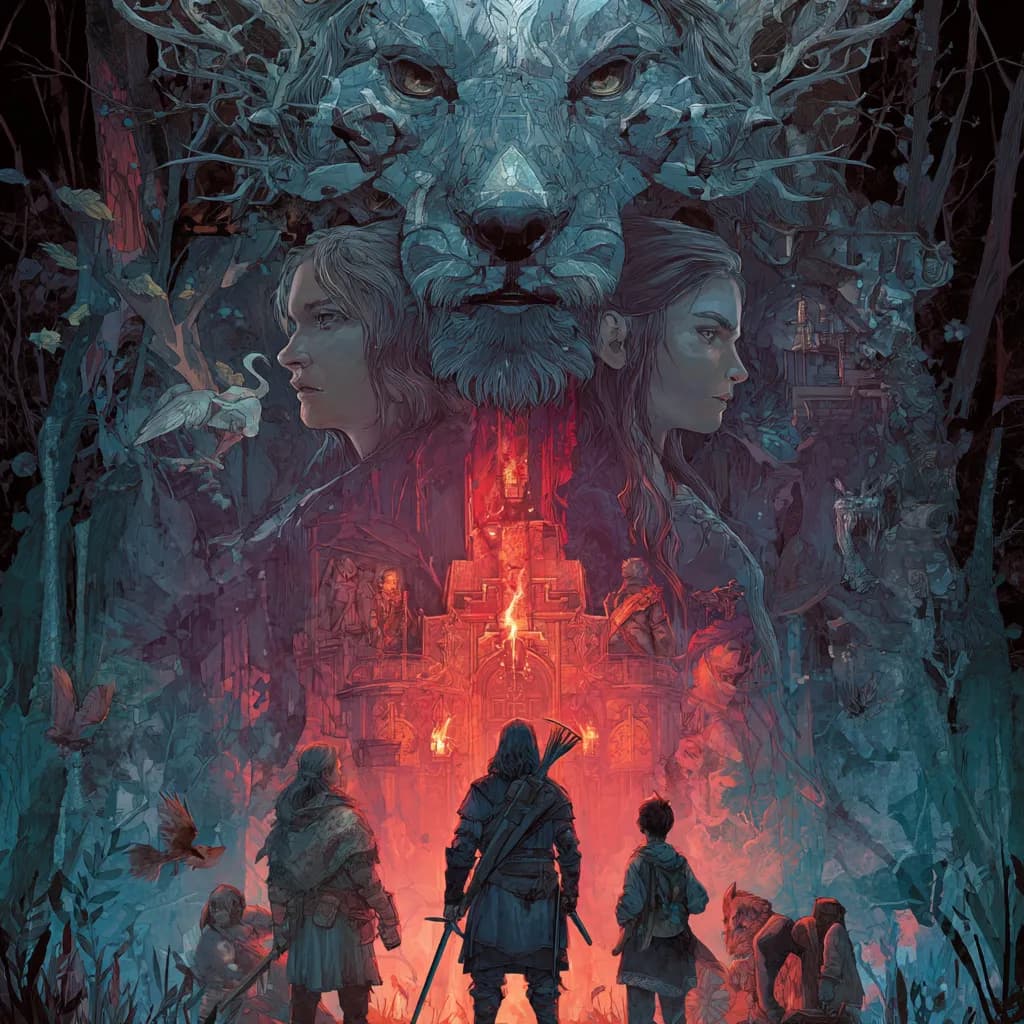
A fast, practical overview. Daggerheart is a heroic fantasy tabletop RPG by Darrington Press that uses a unique 2d12 Hope and Fear dice system. Players create heroes defined by their ancestry, community, class, and subclass, then embark on adventures where narrative control shifts between players and the GM based on which die rolls higher.
Beginner checklist
Say what you do and what you want to happen (intent).
Use the system's core roll mechanic to resolve uncertainty.
Apply consequences quickly to keep scenes moving.
Between sessions, record advancement so changes are consistent.
How rolls work
This system uses a dice pool approach in RPG Stack’s guides: build a pool from your character traits, roll, count successes, and apply consequences.
Build your pool from the relevant traits.
Roll and count successes according to the system’s thresholds.
Apply consequences and record changes on the sheet.
Treat every roll as a decision: success advances, failure changes the situation.
Key facts
2d12 Hope & Fear system: Narrative control shifts based on which die rolls higher
9 classes with 2 subclasses each: Bard, Druid, Guardian, Ranger, Rogue, Seraph, Sorcerer, Warrior, Wizard
19 ancestries: Clank, Daemon, Drakona, Dwarf, Elf, Faerie, and more
6 traits: Agility, Strength, Finesse, Instinct, Knowledge, Presence
Domain card system: Class abilities that grow with your character
Critical success on doubles: Both dice showing the same number
Derived stats: HP, Stress, Evasion, ArmorScore, Proficiency
Play examples
Intent, roll, consequence
State what you want, roll only when the outcome is uncertain, and apply a consequence that changes the situation.
Change approach instead of rerolling
If you fail, don't spam attempts. Change position, get help, spend resources, or accept a cost to keep the scene moving.
Common mistakes
Rolling too often.
Roll when the outcome matters and uncertainty is real; otherwise just do the thing.
Stalling on failure.
On failure, change the situation (cost, complication, new threat) and move forward.
Character creation
Choose Ancestry
Choose Community
Choose Class
Choose Foundation
Set Traits
Calculate Derived Stats
Choose Experiences
Choose Domain Cards
What to track during play
What to open next
Prefer definitions? Browse terms in the Daggerheart glossary.
FAQ
How does the Hope and Fear system work in Daggerheart?
You roll two d12s — a Hope die and a Fear die. Whichever die rolls higher determines narrative control. If the Hope die is higher, the player describes the outcome. If the Fear die is higher, the GM introduces a complication alongside any success. Rolling doubles (both dice showing the same number) is a critical success. This creates a dynamic narrative where both players and the GM share storytelling responsibilities.
What are the classes in Daggerheart?
Daggerheart has nine classes: Bard (performer and inspirer), Druid (nature shaper), Guardian (protector and tank), Ranger (explorer and tracker), Rogue (stealth and cunning), Seraph (divine champion), Sorcerer (raw magical power), Warrior (martial combatant), and Wizard (studied spellcaster). Each class has two subclasses that specialize your playstyle.
What are domain cards in Daggerheart?
Domain cards represent your character's class abilities and powers. Each class draws from specific domains. As you level up, you gain access to more powerful domain cards. They function like ability decks that define what your character can do in and out of combat.
How do traits work in Daggerheart?
Daggerheart uses six traits: Agility (speed and reflexes), Strength (physical power), Finesse (precision and dexterity), Instinct (awareness and intuition), Knowledge (learning and memory), and Presence (charisma and force of personality). Traits range from -1 to +3 and are added to your 2d12 roll when making action rolls.