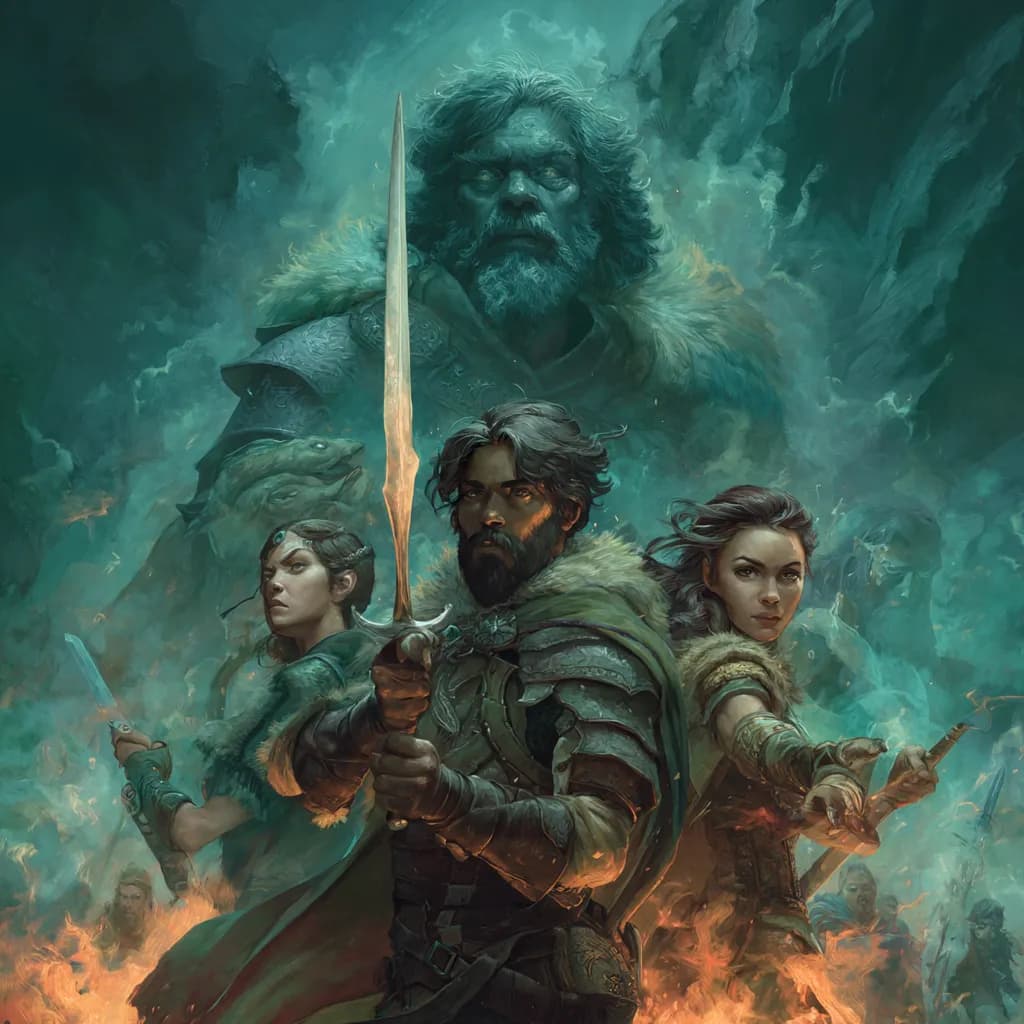
Draw Steel
How to play Draw Steel
A fast, practical overview. Draw Steel is a heroic tactical RPG by MCDM Productions that uses a 2d10 Power Roll system with tier-based results. Characters are defined by their ancestry, culture, career, class, and kit. The game emphasizes cinematic combat, meaningful character choices, and a world where heroes stand against overwhelming darkness.
Beginner checklist
Say what you do and what you want to happen (intent).
Use the system's core roll mechanic to resolve uncertainty.
Apply consequences quickly to keep scenes moving.
Between sessions, record advancement so changes are consistent.
How rolls work
Draw Steel resolves actions with power rolls: 2d10 plus a characteristic, read against outcome tiers rather than pass/fail, tier 1 (11 or less), tier 2 (12-16), and tier 3 (17+). Even low tiers usually do something; higher tiers do it better.
Roll 2d10 and add the relevant characteristic (plus edges/banes adjusting the roll).
Find your tier: ≤11 is tier 1, 12-16 is tier 2, 17+ is tier 3.
Apply the tiered outcome from the ability, heroes rarely whiff outright; the tier sets how well it lands.
2d10 + Might 2 totalling 15 lands tier 2: the attack hits with its middle effect line.
Key facts
2d10 Power Roll with 3 tiers: Tier 1 (≤11), Tier 2 (12-16), Tier 3 (17+)
9 classes: Censor, Conduit, Elementalist, Fury, Null, Shadow, Tactician, Talent, Troubadour
12 ancestries: Devil, Dragon Knight, Dwarf, Hakaan, High Elf, Human, Wode Elf, and more
5 characteristics: Might, Agility, Reason, Intuition, Presence
Edge & bane system: one edge is +2, one bane is -2; a double edge or bane shifts the tier instead of stacking further
Kit system: Equipment loadouts that define your combat style
Derived stats: Stamina, Recoveries, Speed, Stability
Play examples
Intent, roll, consequence
State what you want, roll only when the outcome is uncertain, and apply a consequence that changes the situation.
Change approach instead of rerolling
If you fail, don't spam attempts. Change position, get help, spend resources, or accept a cost to keep the scene moving.
Common mistakes
Rolling too often.
Roll when the outcome matters and uncertainty is real; otherwise just do the thing.
Stalling on failure.
On failure, change the situation (cost, complication, new threat) and move forward.
Character creation
Choose an Ancestry (determines innate traits and ancestry abilities)
Choose a Culture (Environment, Organization, and Upbringing determine languages and skills)
Choose a Career (your life before becoming a hero, grants a career skill)
Choose a Class (your heroic role, determines abilities and features)
Choose a Subclass (specialization within your class)
Choose a Kit (combat loadout that provides bonuses to stats and damage)
Set Characteristics (assign Might, Agility, Reason, Intuition, Presence)
Choose Skills (select trained skills from the skill list)
Calculate Derived Stats (Stamina, Recoveries, Speed, Stability)
What to track during play
What to open next
Prefer definitions? Browse terms in the Draw Steel glossary.